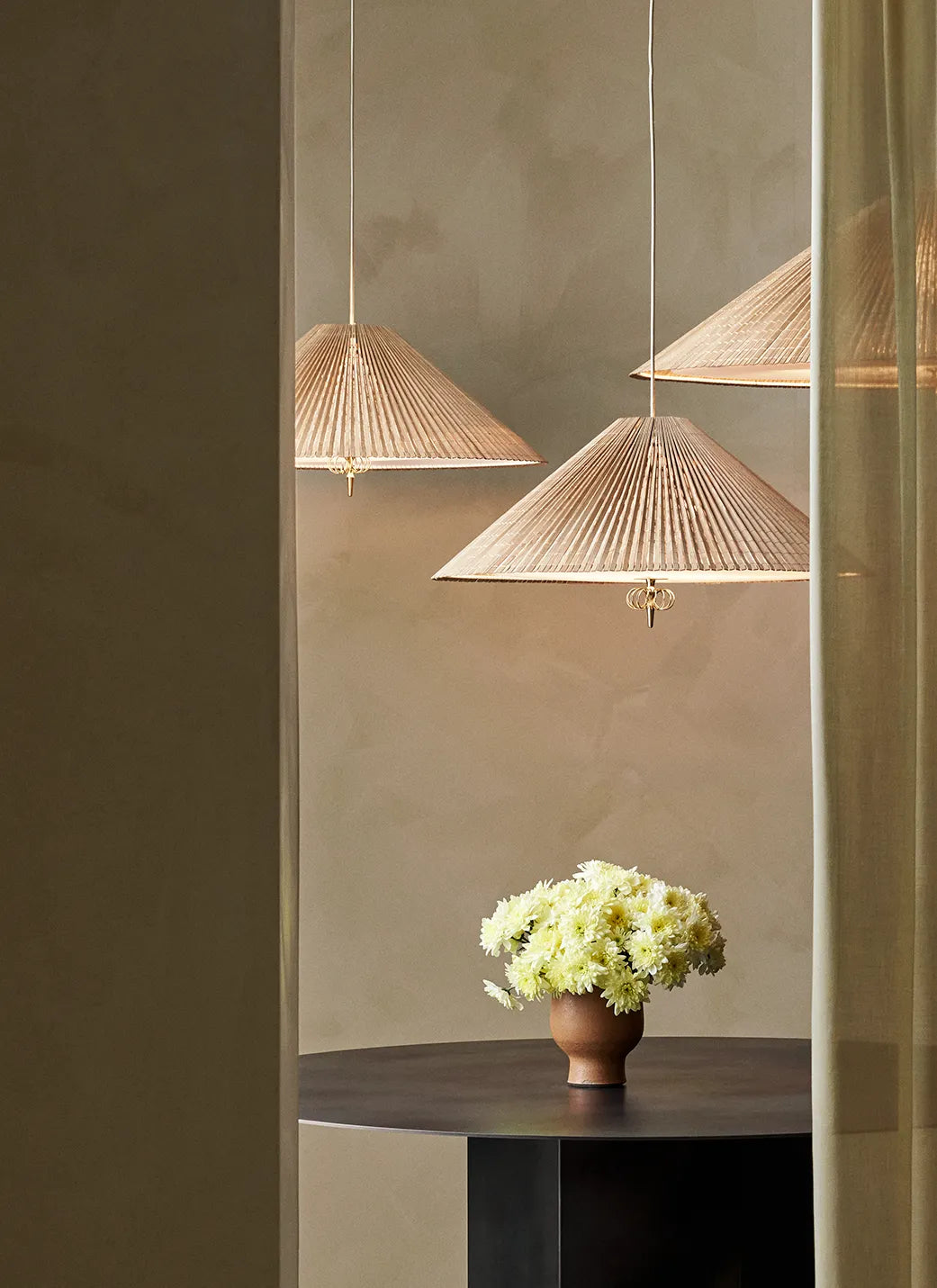
Pendant Lights

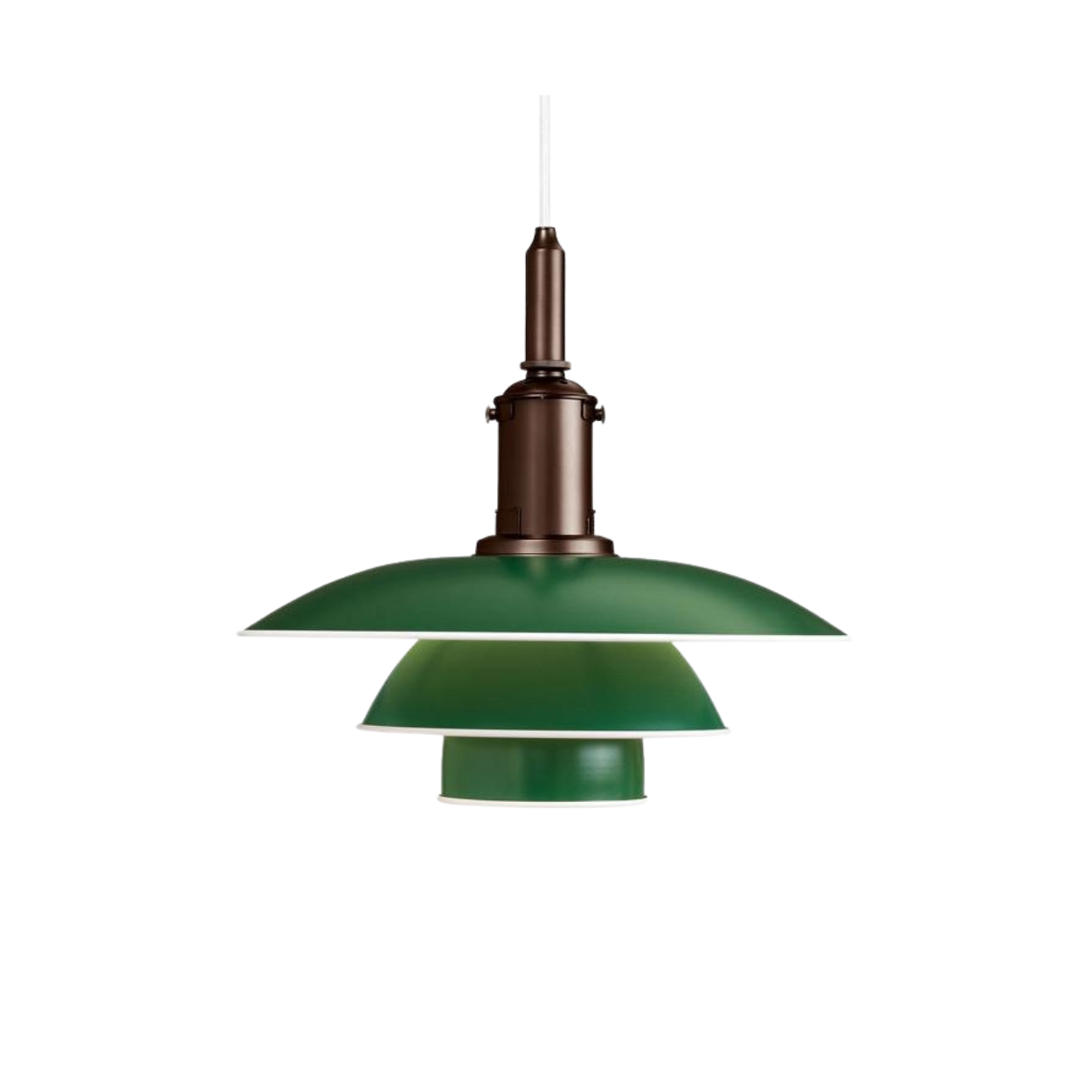
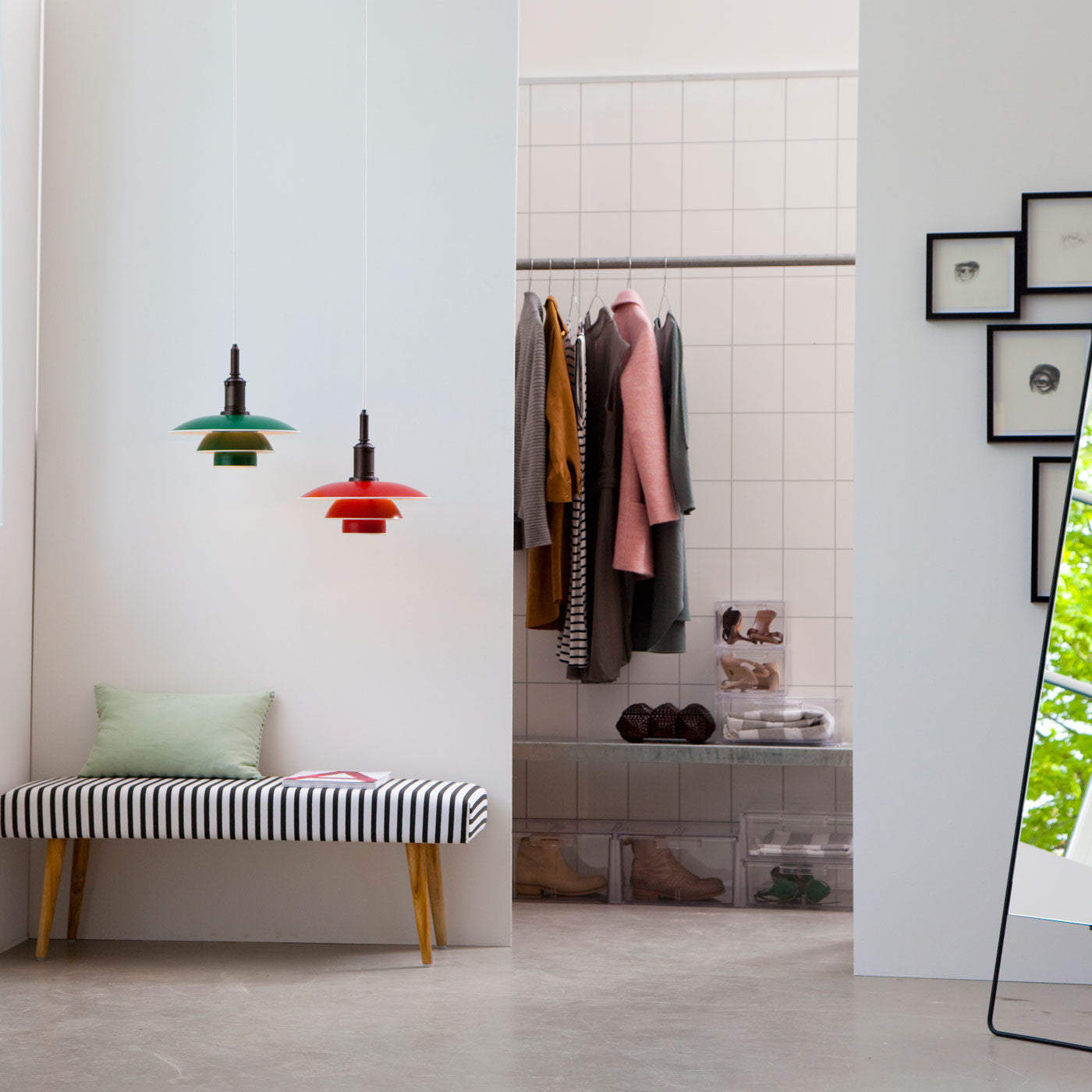
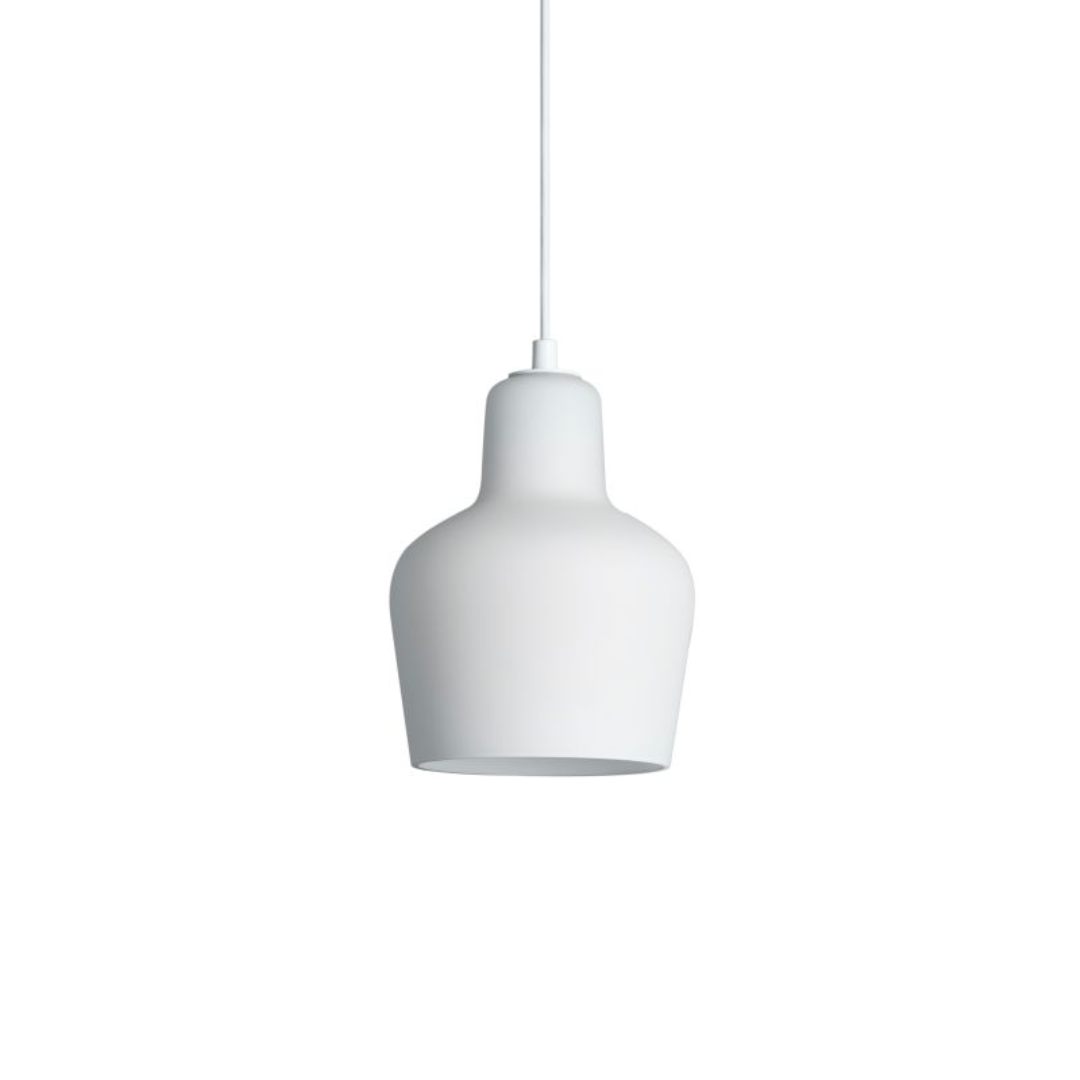
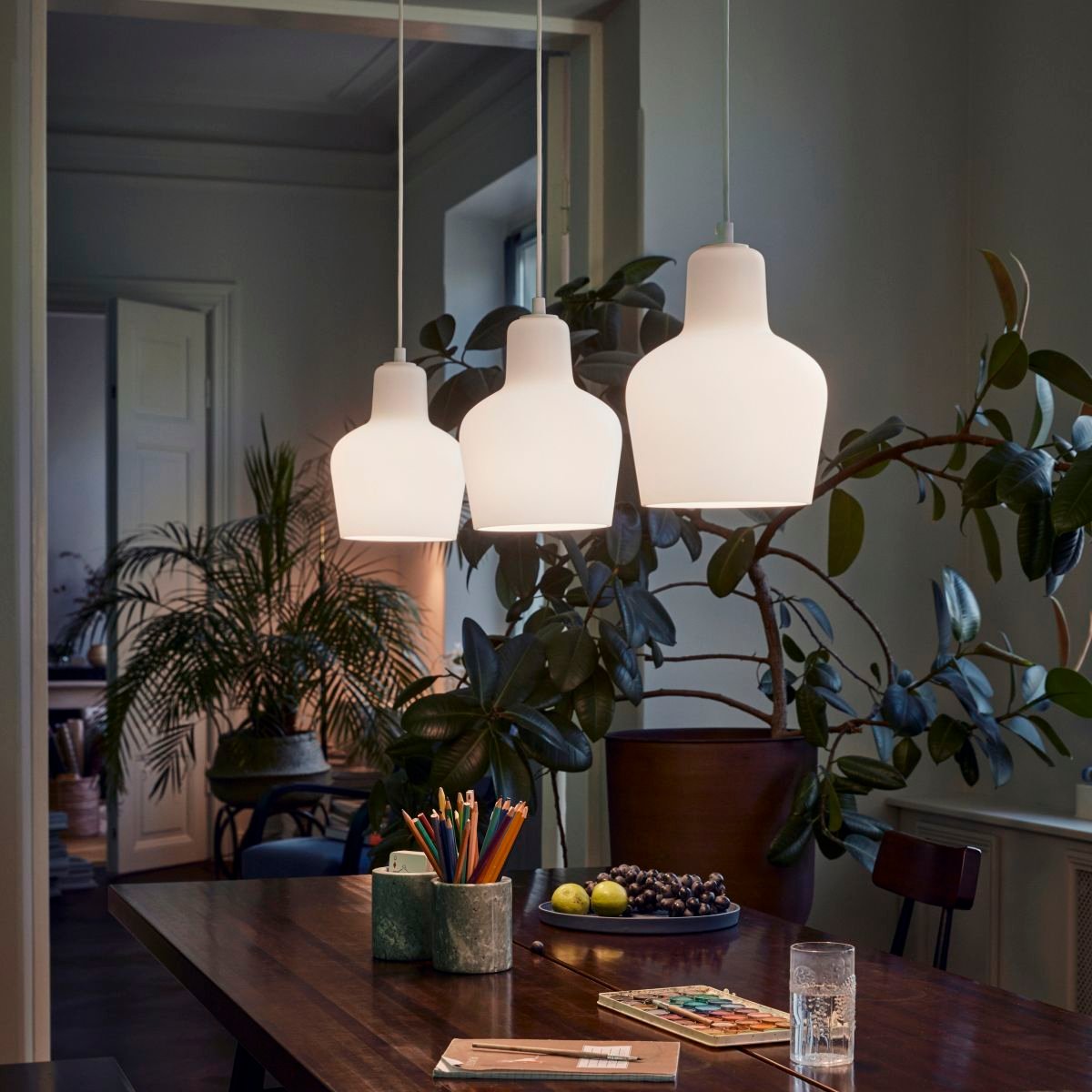
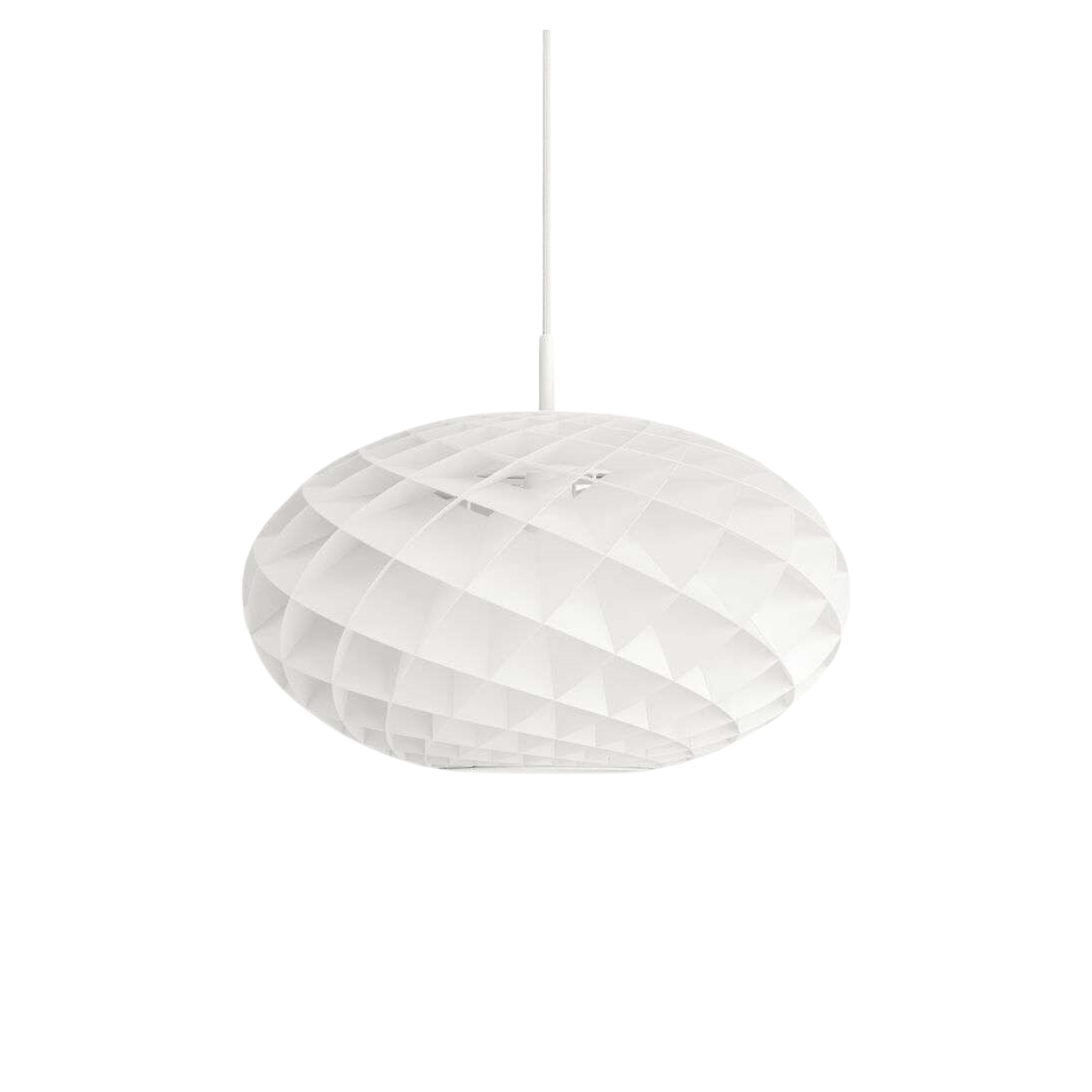
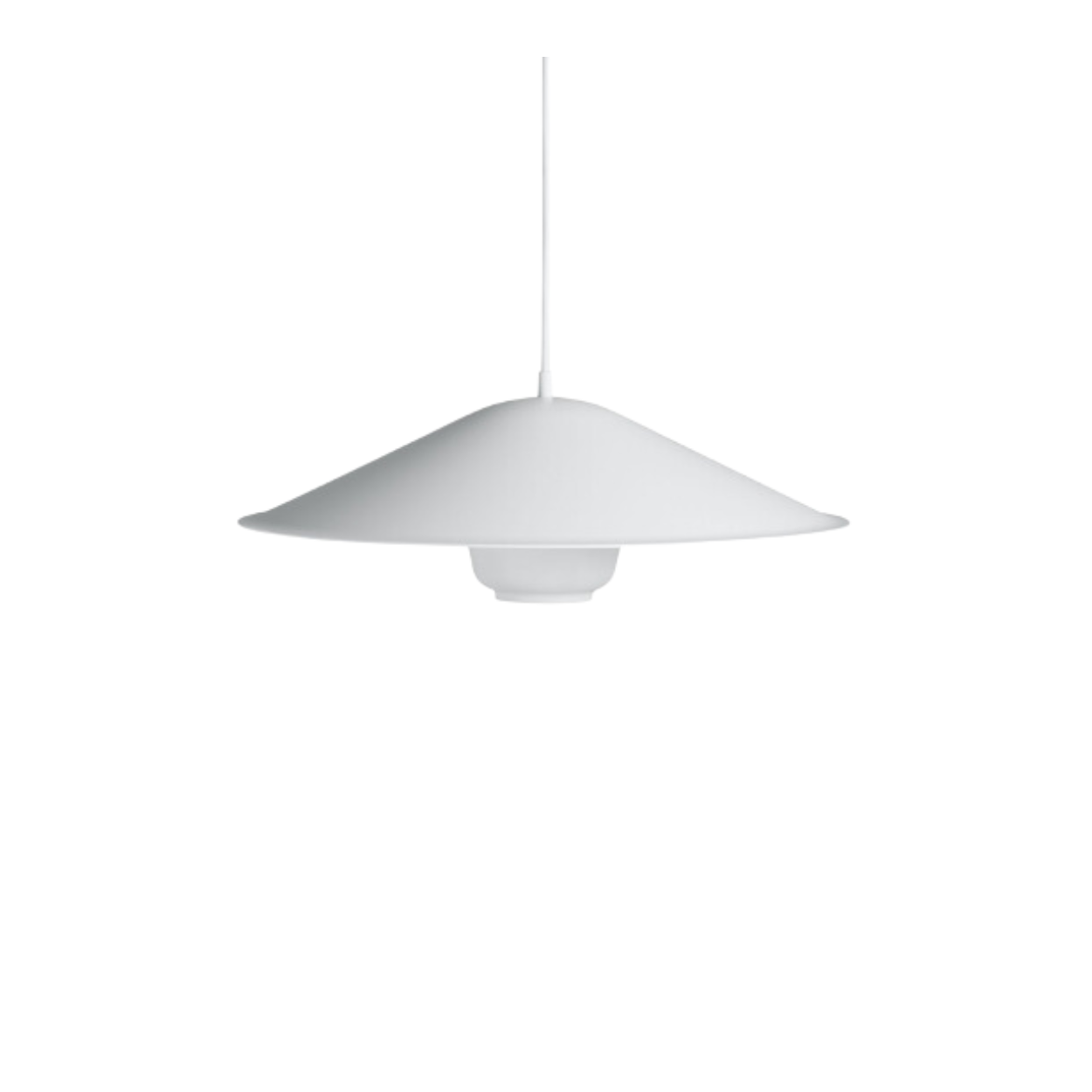
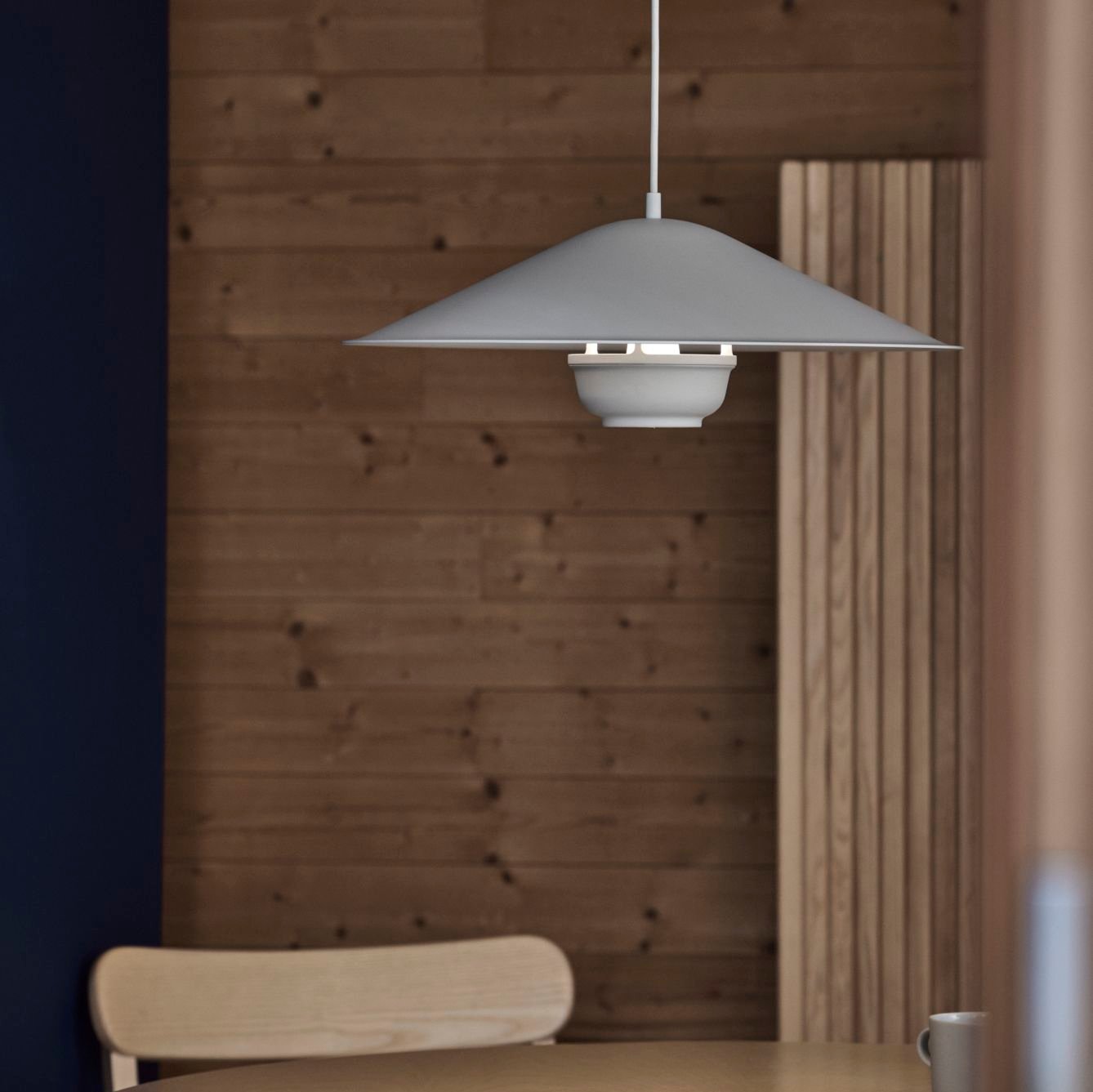
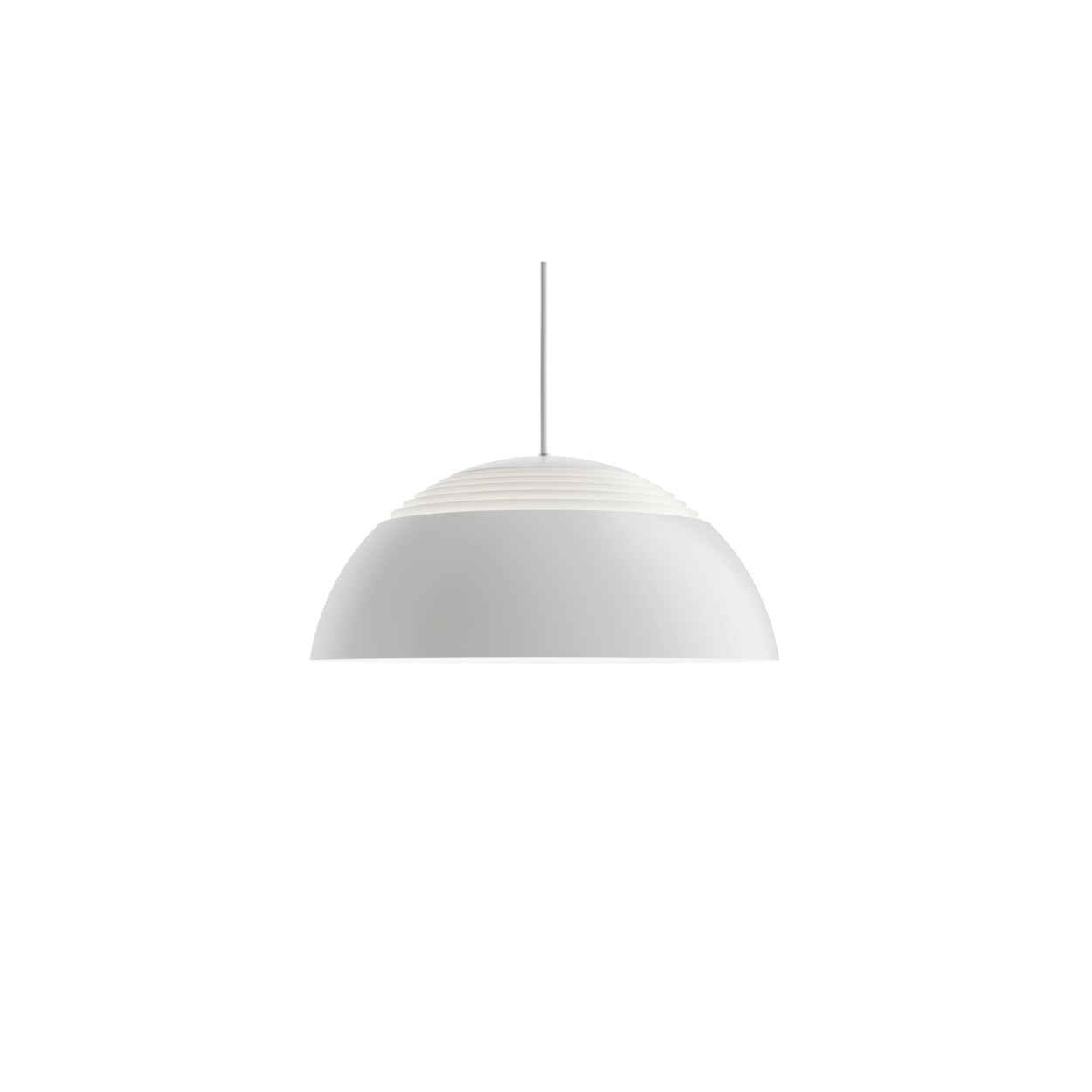
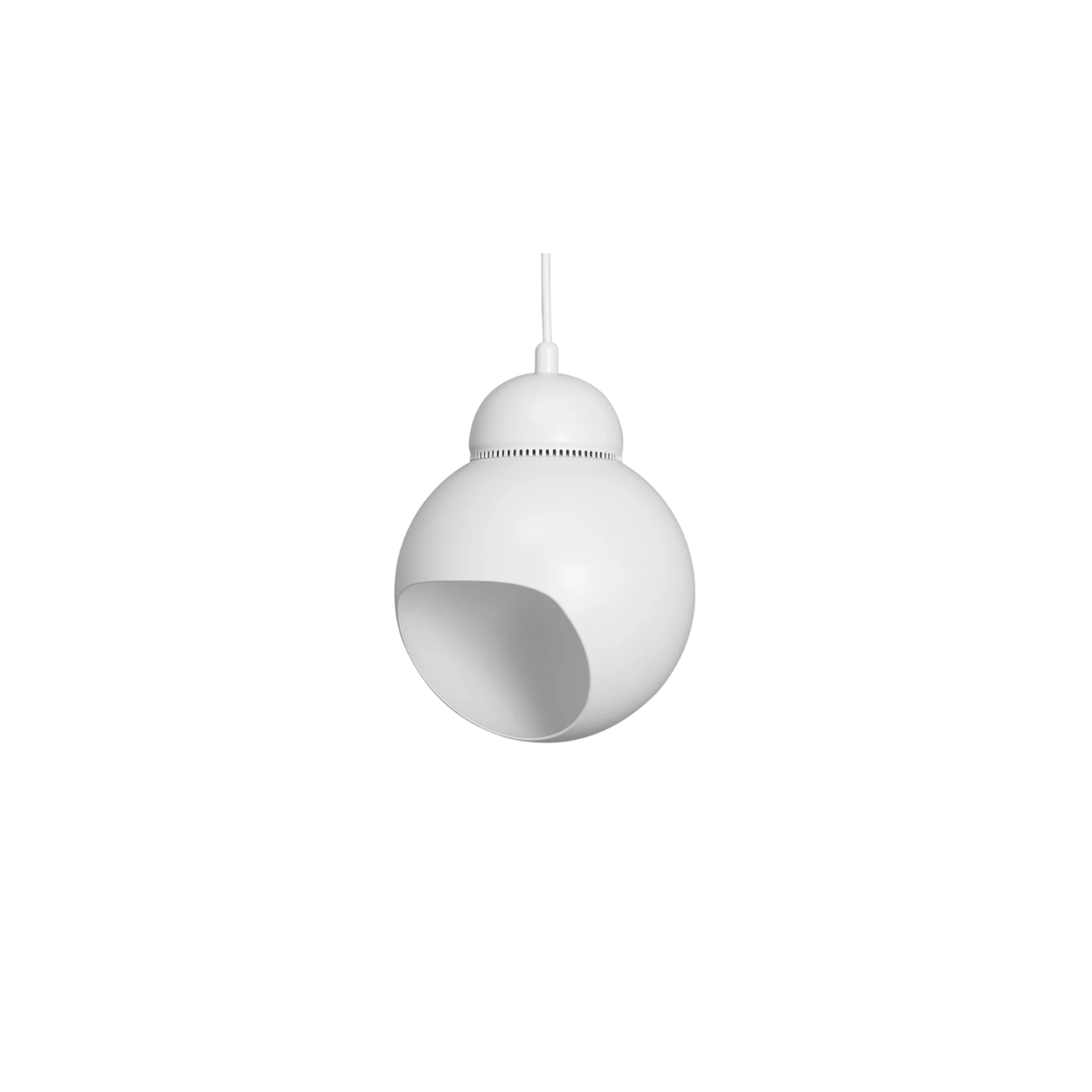
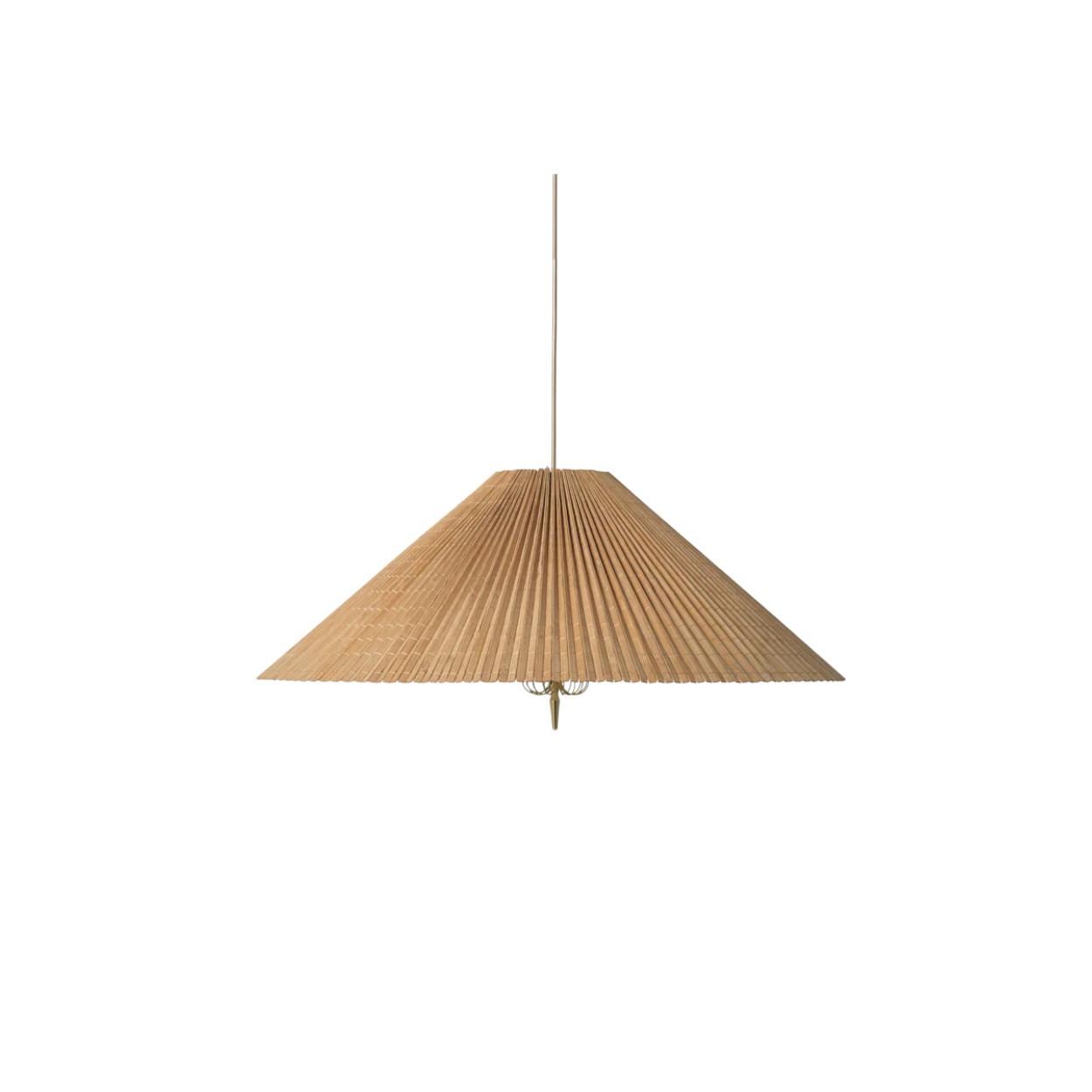
Haus® is Malaysia's authorised retailer of designer pendant lights from Louis Poulsen, Artek, Yamagiwa, Gubi, and Wästberg. Browse pendant lighting designs in our Kuala Lumpur showroom or online.

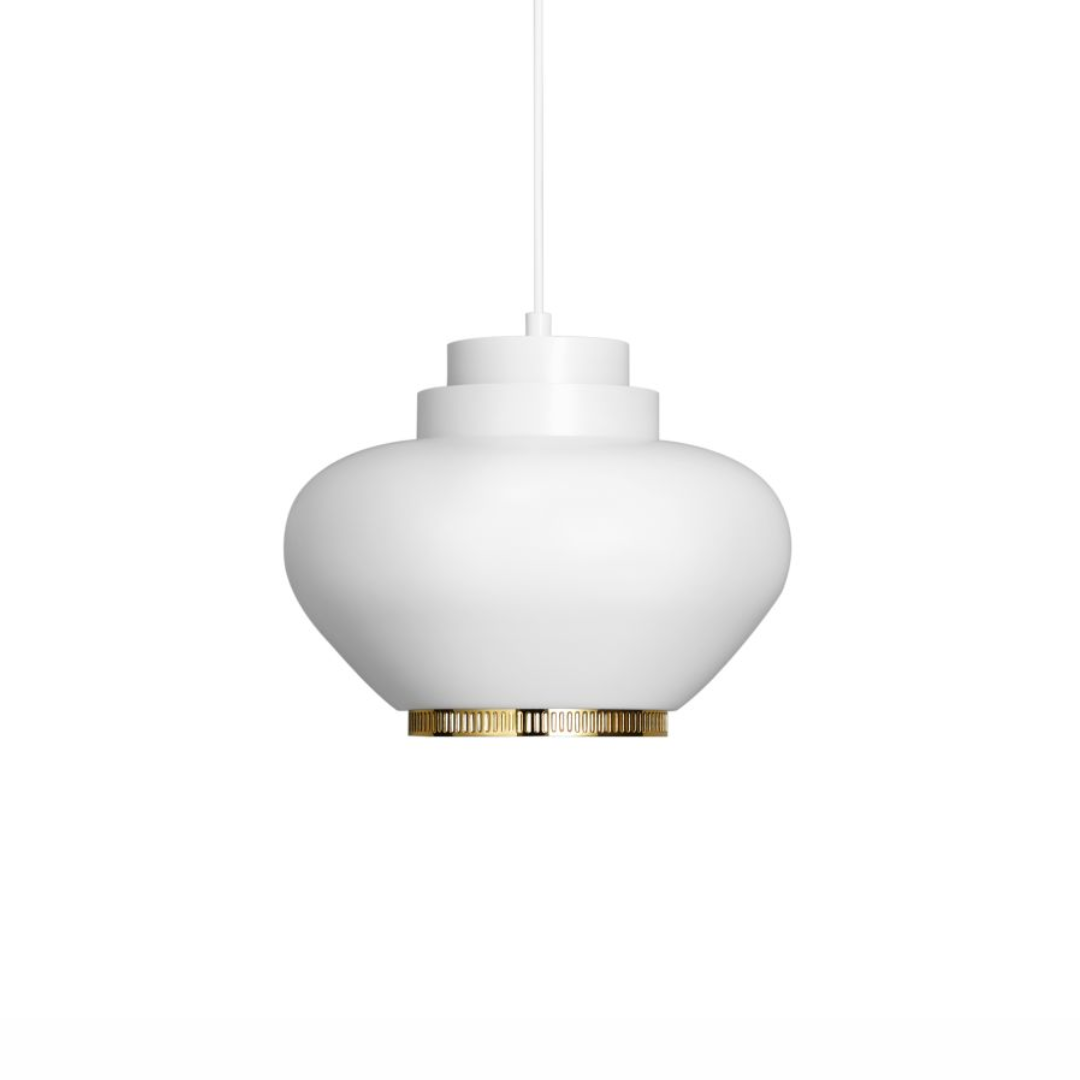
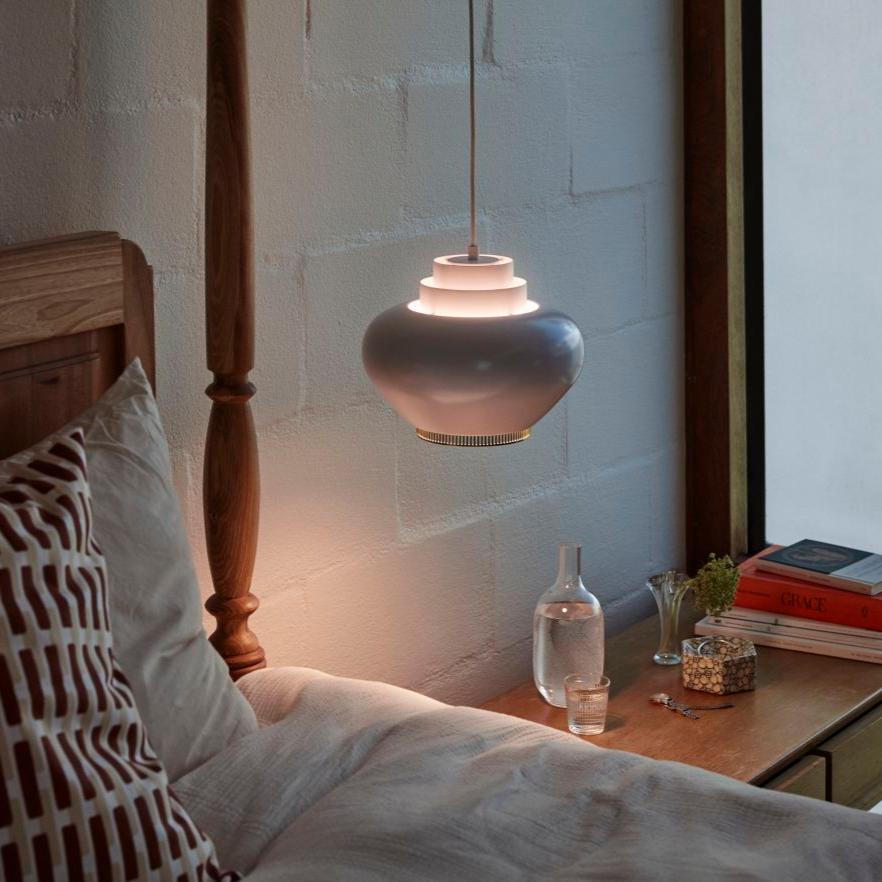
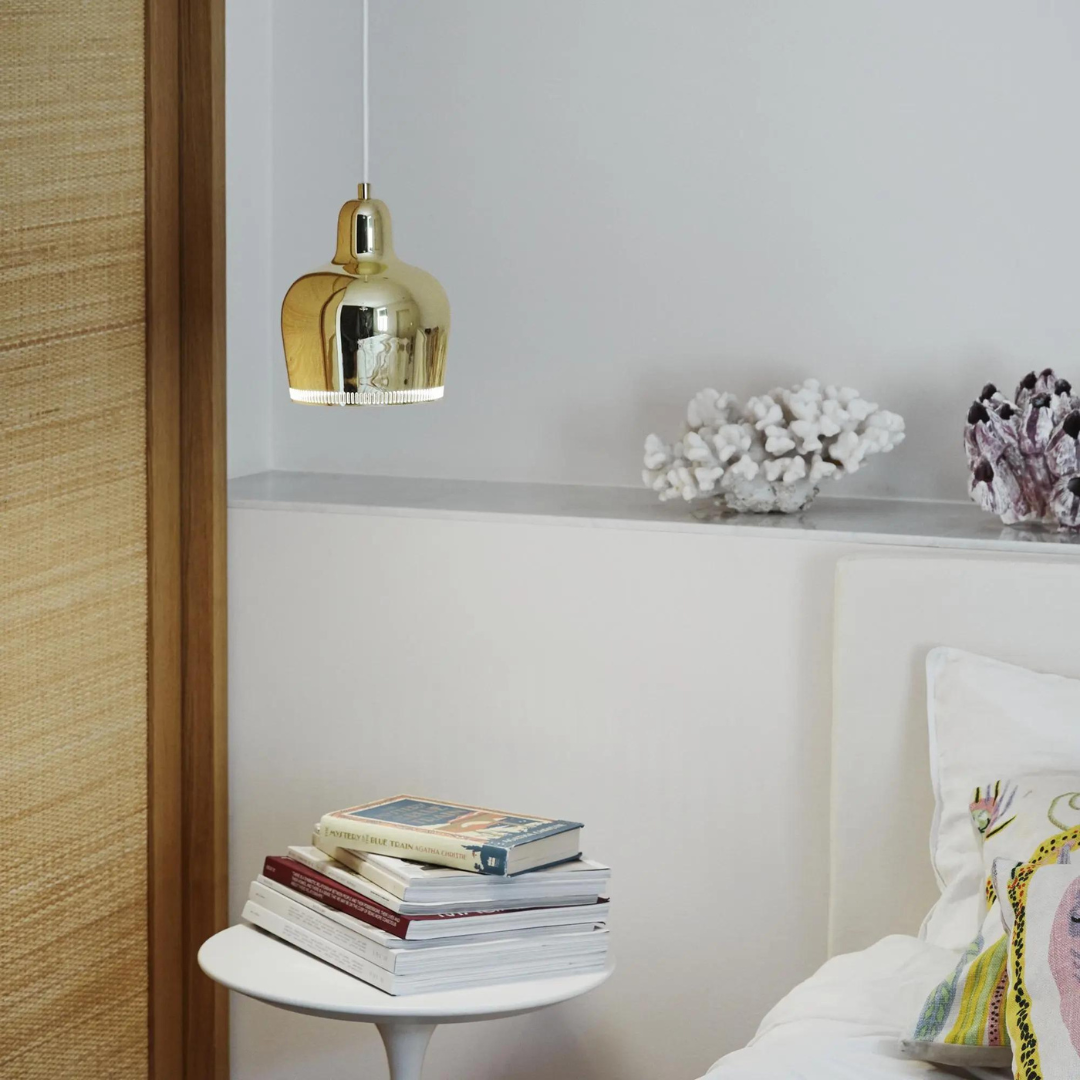
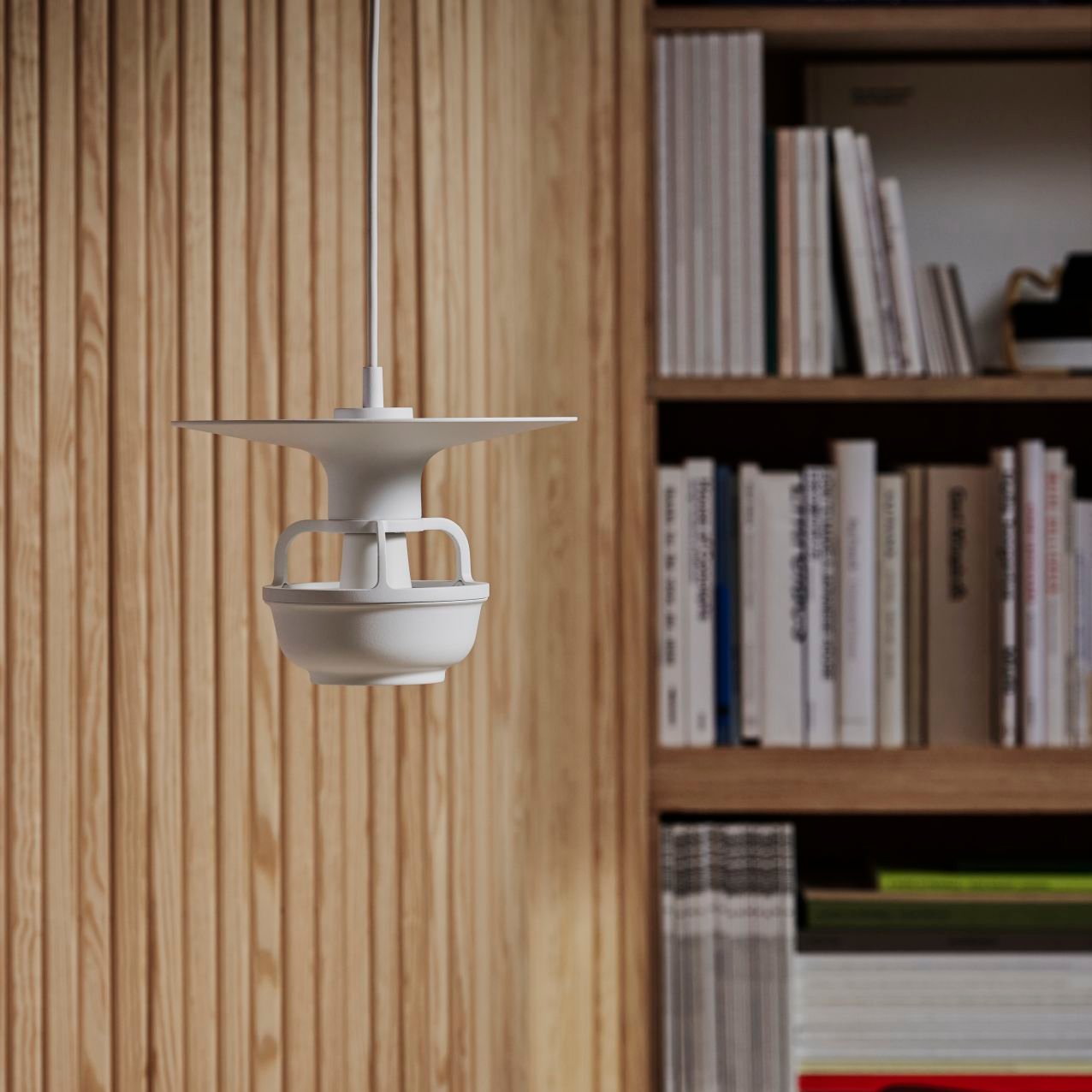
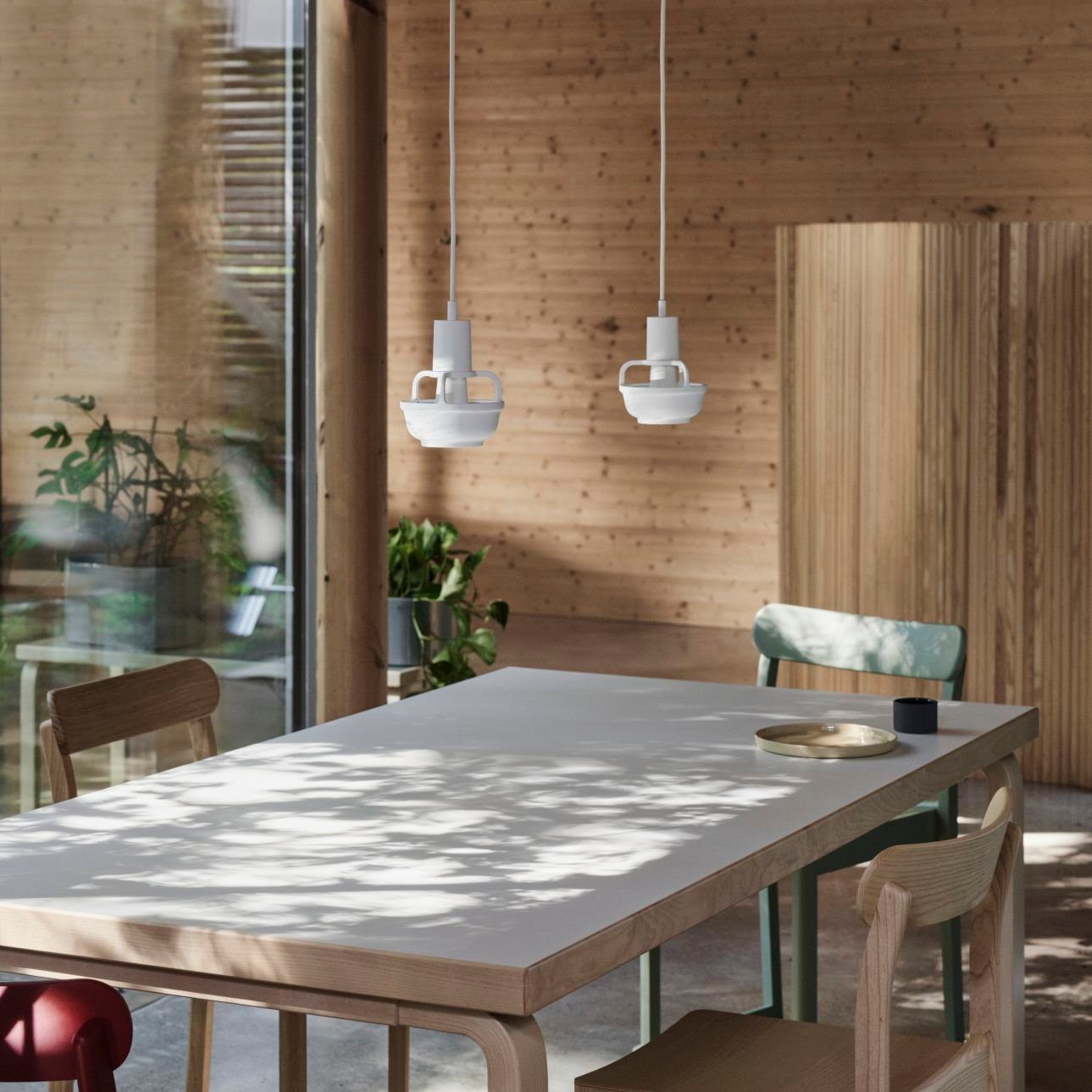
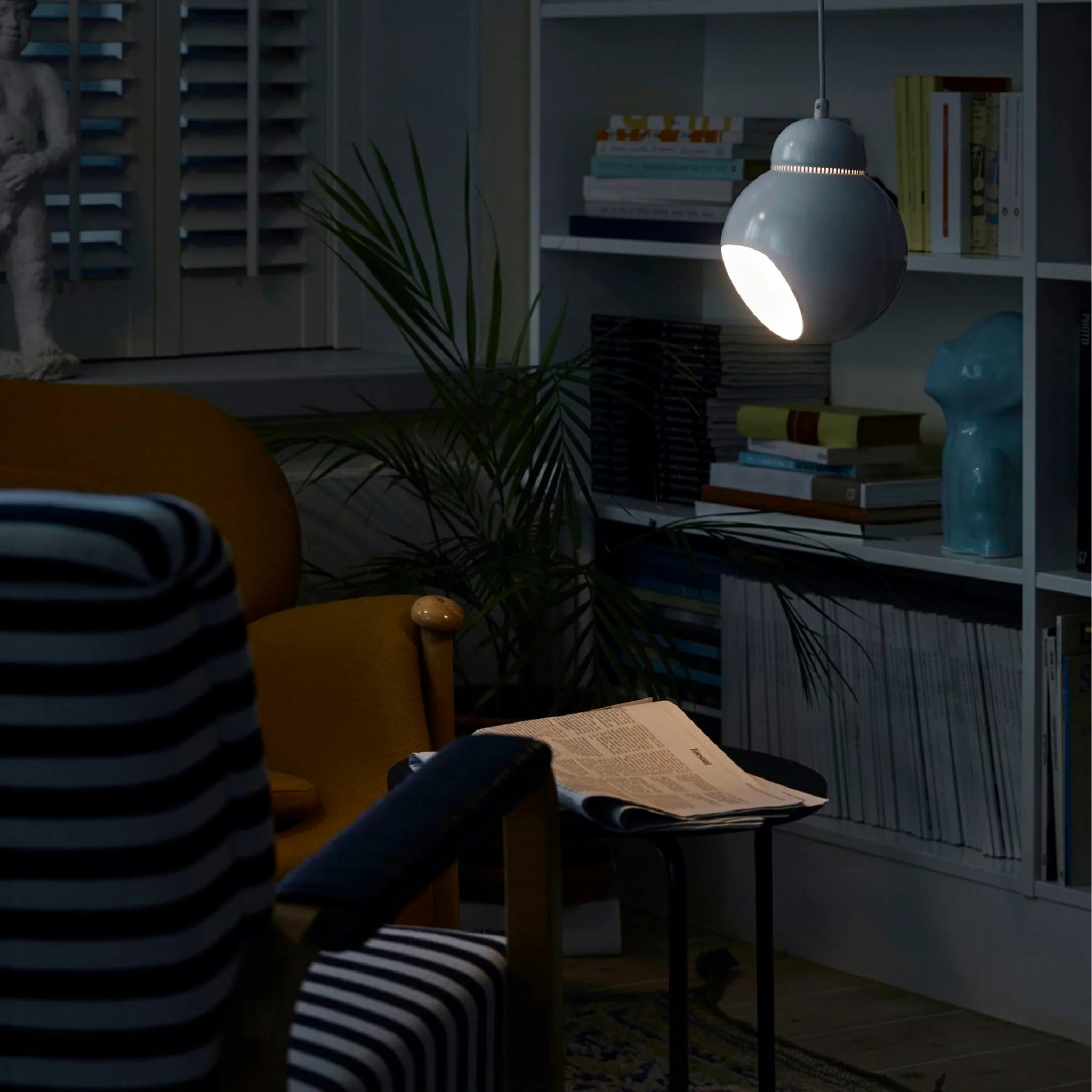
A pendant light does two things: it lights a room and defines it. Our collection spans modern glass globe pendants, metal industrial designs, and large sculptural ceiling pendants, suited for hanging above a kitchen island, dining table, or beside the bed. Find your pendant light design at Haus®.

Skip to results list

Active filters:

28 items

More categories

FAQs About Haus® Pendant Light in Malaysia

What is the difference between a pendant light and a chandelier?

A pendant light is a single fixture suspended from a cord, rod, or chain that directs light downward onto one area. A chandelier has multiple arms extending from a central frame and spreads light more broadly across a room. Pendant lights suit dining tables, kitchen islands, and bedside positions; chandeliers suit larger dining rooms or double height entryways.

What rooms work best with pendant lights?

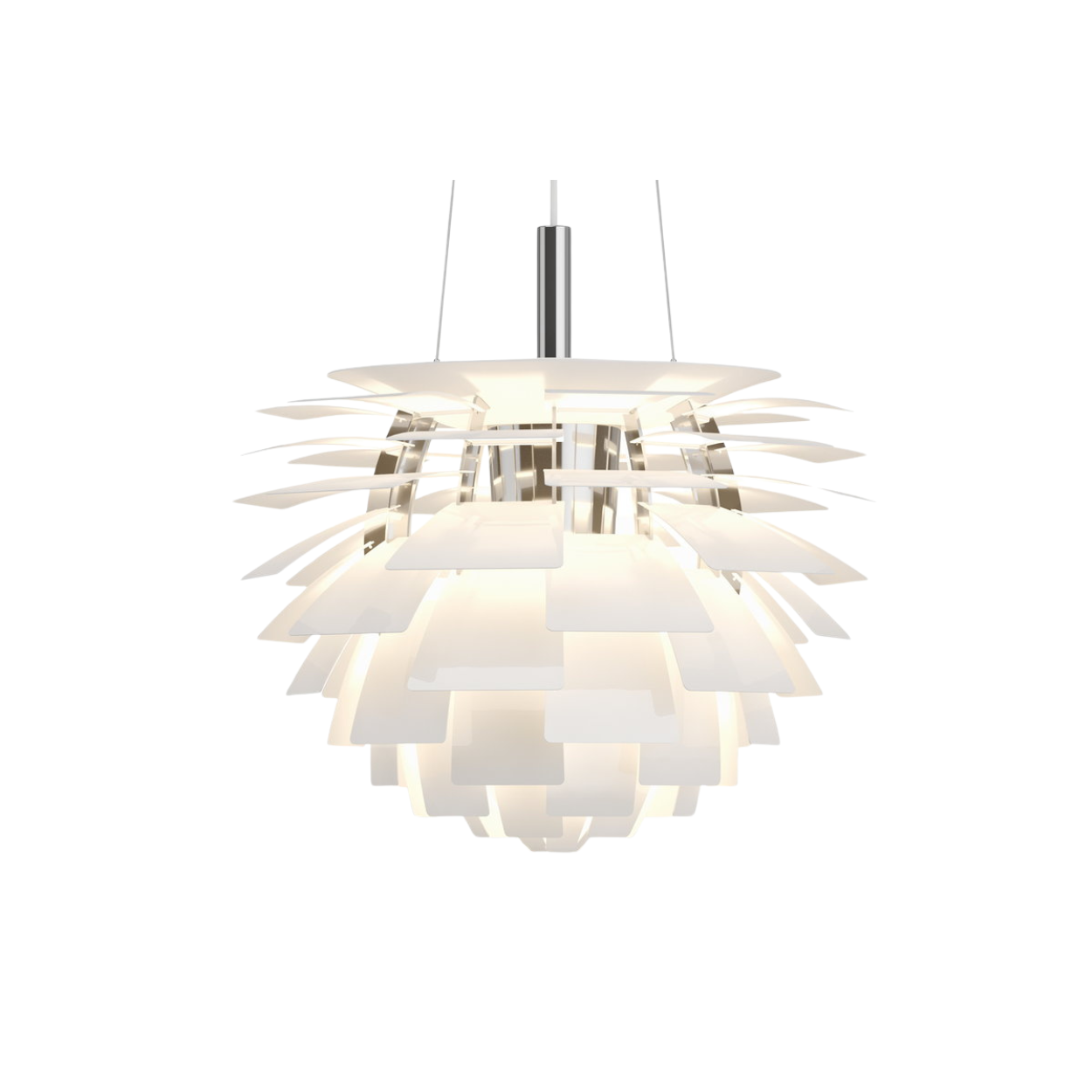
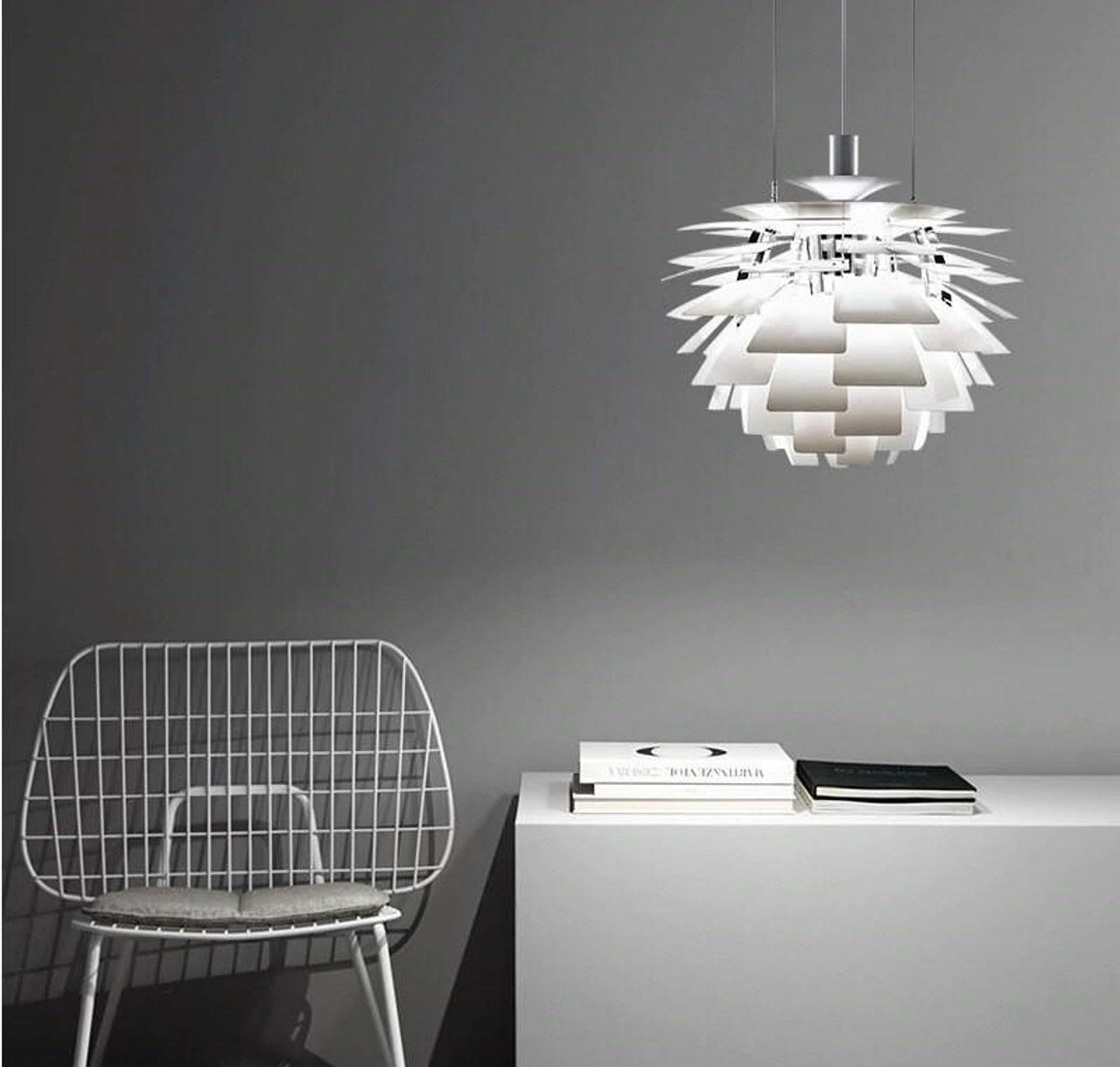
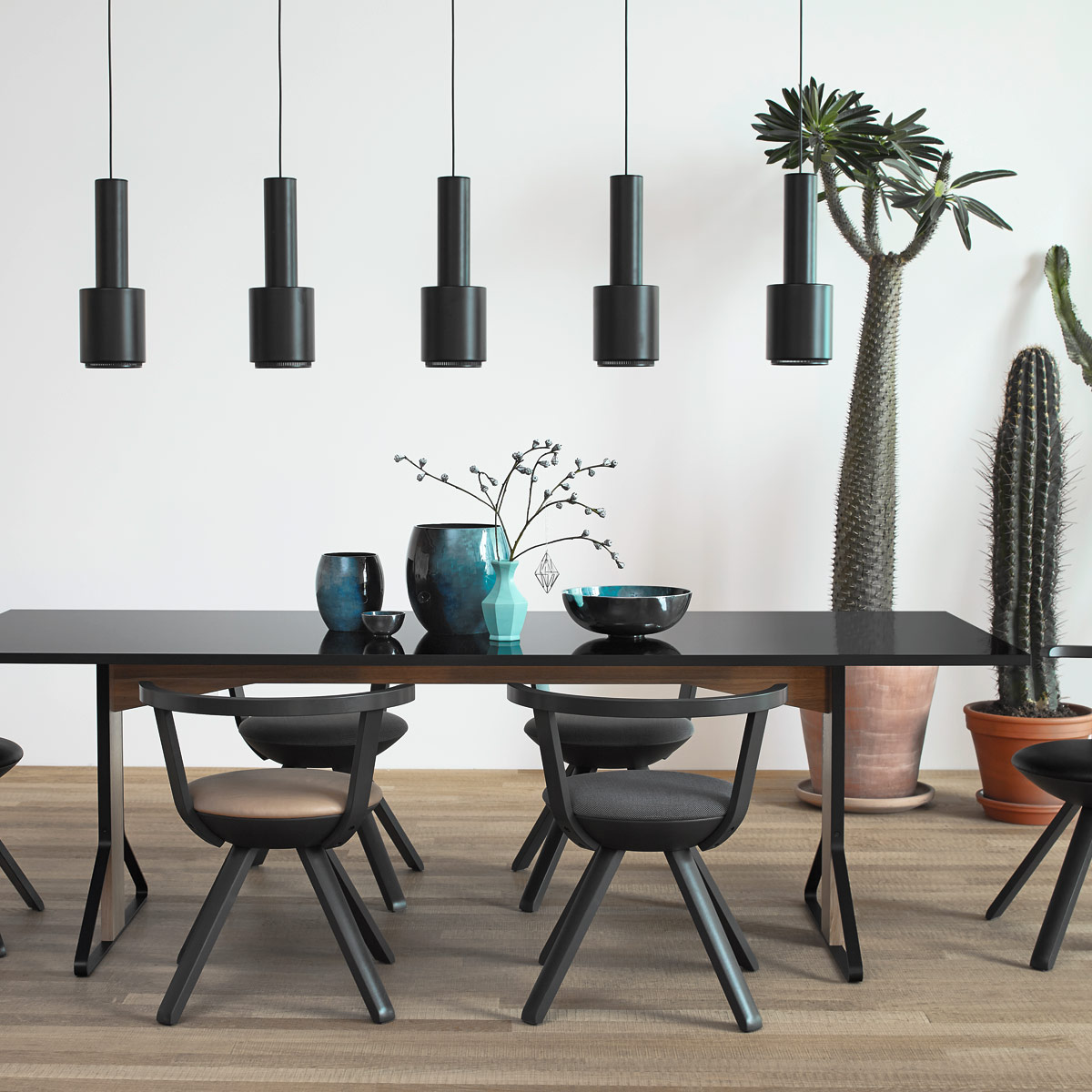
Pendant lights suit dining rooms, kitchen islands, bedside areas, home offices, and entryways. A single pendant suits a desk or bedside table. Two or three pendants spaced evenly suit a long dining table or kitchen island. In rooms with high ceilings, a large sculptural pendant creates a statement that smaller flush ceiling fixtures cannot match.

Can a pendant light work as the main light source in a room?

Yes, pendant lights can serve as primary overhead lighting when fitted with the right bulb wattage and positioned at an appropriate height. Wider or open-bottomed shades give broader light coverage. For kitchens or workspaces that need even task lighting, combine pendant lighting with recessed or under-cabinet lights to cover the full surface area.

What bulb type do I need for a pendant light?

Most pendant lights use an E27 (standard screw) or E14 (small screw) socket. You may check the product specifications before purchasing. For dining rooms and living areas, a warm white bulb at 2700K to 3000K produces the most flattering ambient light. Designer pendant lights from brands like Louis Poulsen typically require the bulb to be purchased separately.

How do I know which pendant light size is right for my space?

A practical starting point is to choose a pendant whose diameter is roughly half the width of the table or surface below it. In rooms with high ceilings, a larger fixture keeps proportions balanced. If unsure, visit the Haus® furniture showroom to see the pendant light designs at full scale before making a decision.

What should I look for when buying a designer pendant light in Malaysia?

Haus® designer furniture store in Kuala Lumpur stocks designer pendant lights from Louis Poulsen, Artek, Yamagiwa, Gubi, and Wästberg. When evaluating a purchase, check:

1. Design heritage: Established lighting brands engineer fixtures around light distribution and material quality, not aesthetics alone.
2. Shade material: Glass diffuses warm ambient light; metal shades direct focused beams; natural fiber filters light into patterns.
3. Cord drop: Confirm whether the cord length is adjustable for your ceiling height, particularly for double-height spaces in landed properties.
4. Electrical compatibility: Most designer pendant lights use E27 or E14 sockets and are compatible with Malaysia's 230V supply.
5. After-sales access: An authorised retailer provides warranty coverage and manufacturer support. Avoid purchasing designer lighting through unofficial channels.

How do I choose the right pendant light for my dining room?

The right dining room pendant depends on table size, ceiling height, and light quality needed:

1. Shade style: Glass or semi-opaque shades suit social dining spaces; open metal shades suit task-oriented areas.
2. Proportion: Aim for a pendant diameter roughly half the width of the dining table, an undersized pendant over a large table looks out of proportion.
3. Hanging height: Most lighting guides recommend the bottom of the pendant sit 60 to 90cm above the table, adjusted for ceiling height.
4. Number of fixtures: A single wide-shade pendant suits a round or square table, two or three in a line suit a long rectangular table.
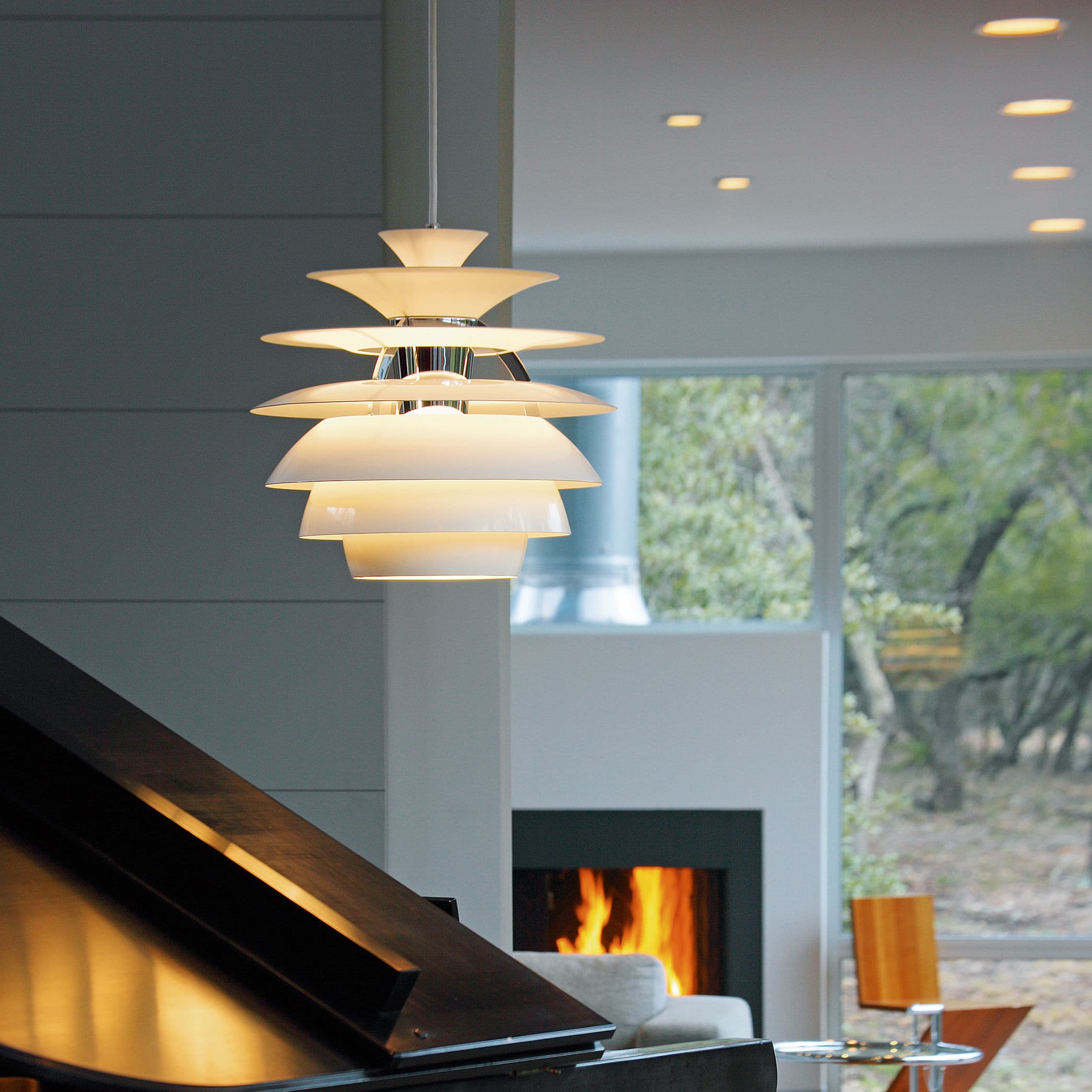
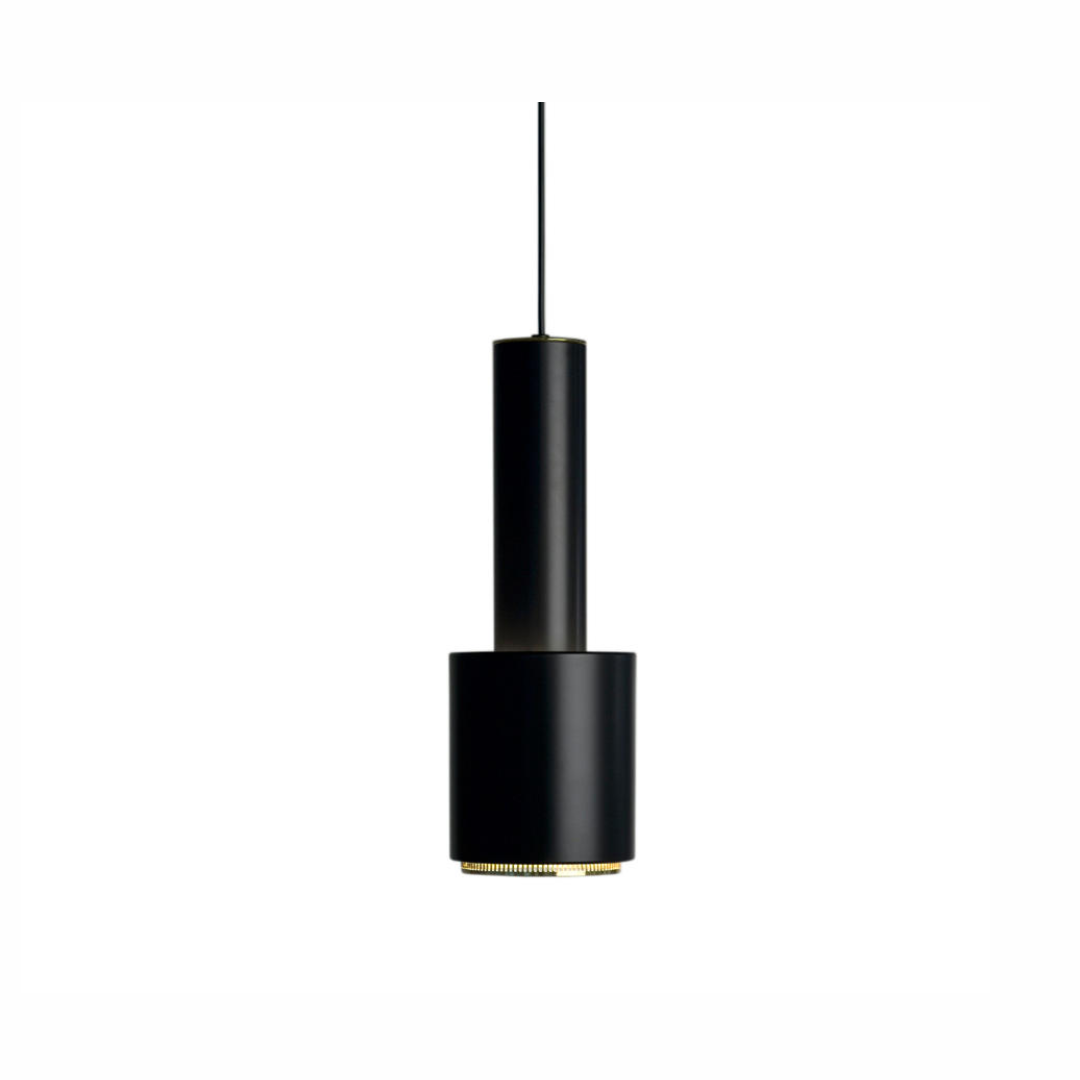
5. Design function: A designer pendant such as the PH 5 or Artek A330S also functions as a decorative piece, contributing to the room even when the light is off.

Are designer pendant lights worth the price compared to regular lighting?

Modern designer pendant lights cost more than mass-market alternatives because they are engineered around light quality, material durability, and design authorship.

1. Light engineering: Brands such as Louis Poulsen and Artek calculate shade geometry to control glare and light spread.
2. Material quality: High-grade metal and glass hold up over years of use; cheaper fixtures often discolor or need replacing within a few years.
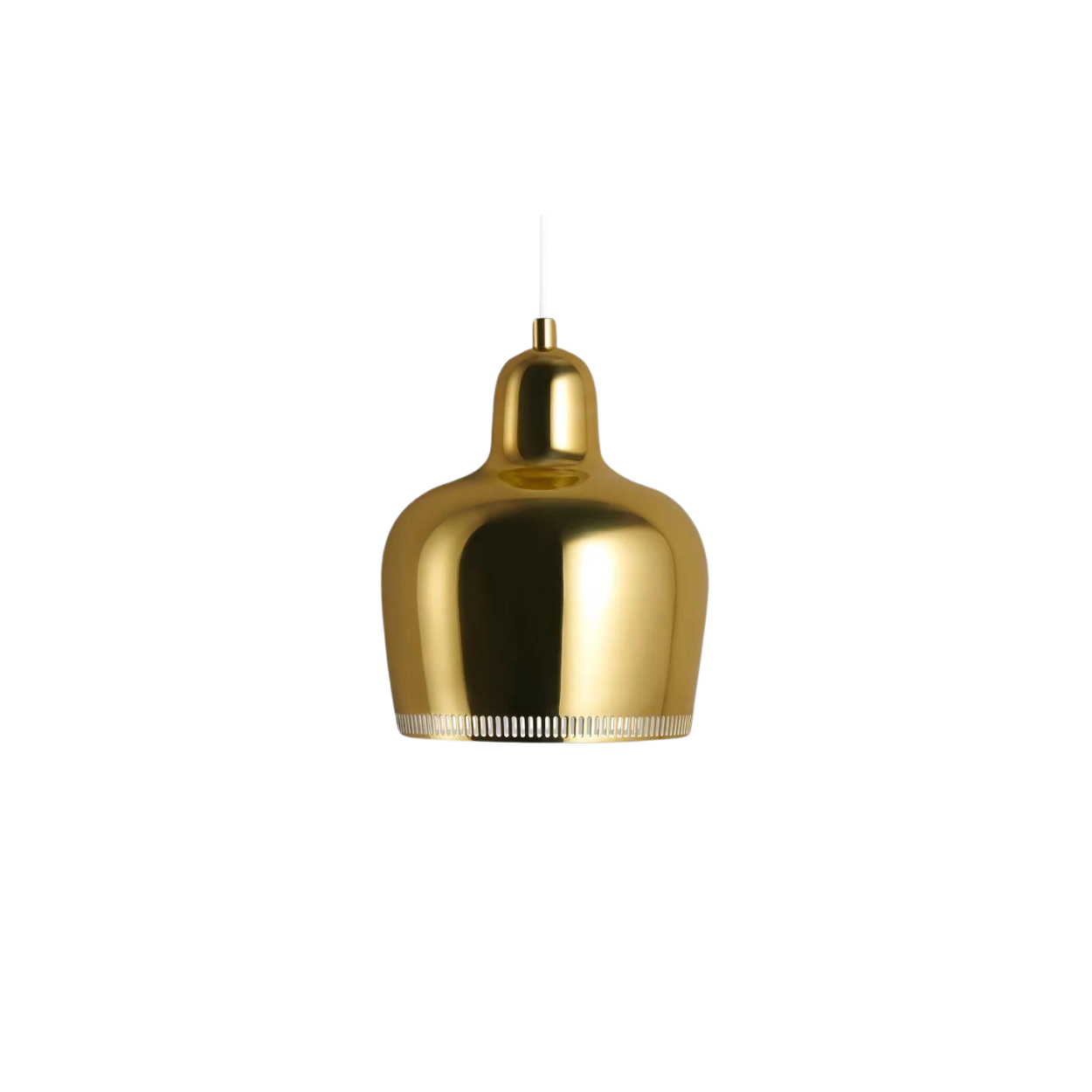
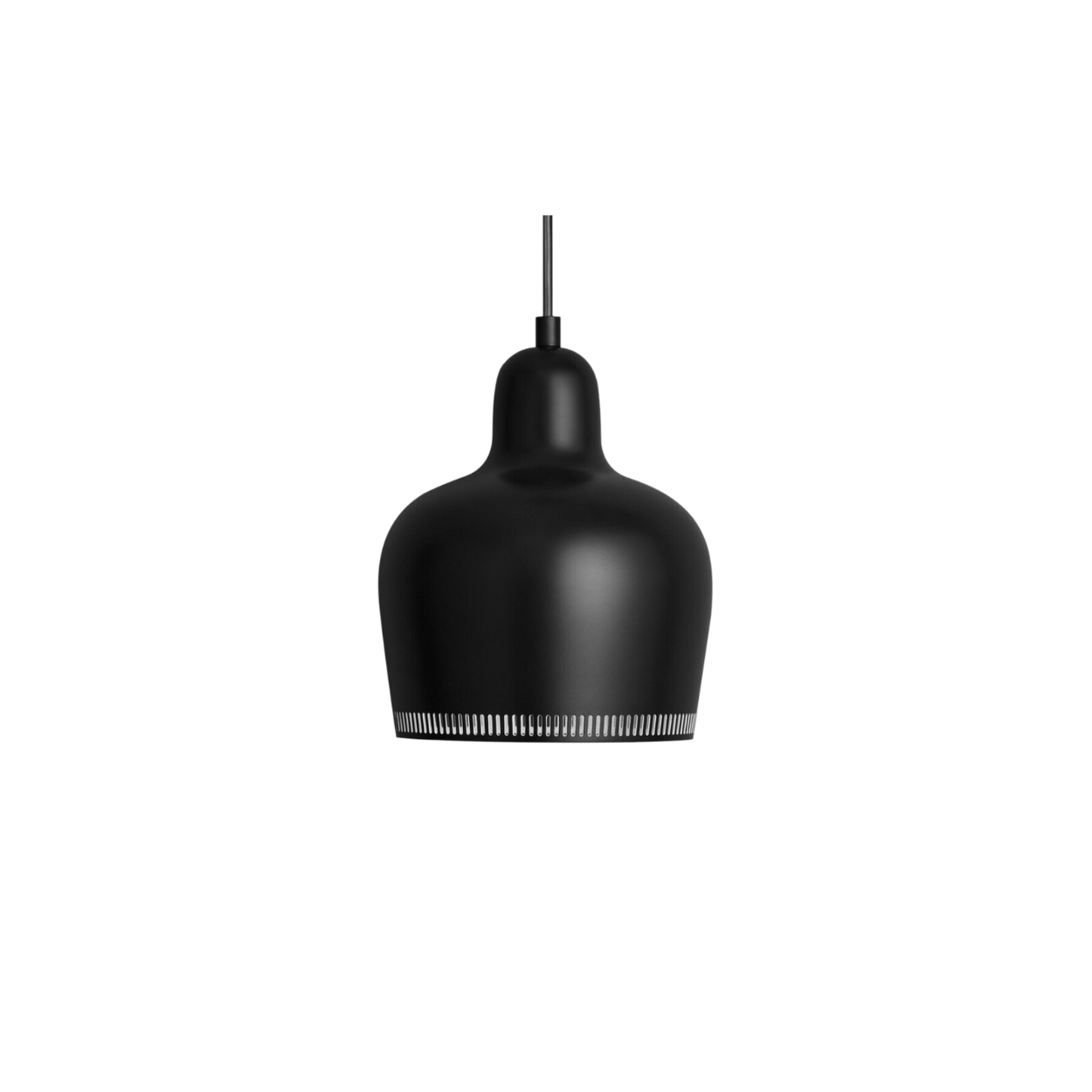
3. Design authorship: Each piece is the work of a named designer, the PH 5, the Golden Bell, and the MAYUHANA® carry context that generic fittings do not.
4. Long-term relevance: A well-made pendant from Gubi or Wästberg does not date the way trend-driven fixtures do.
5. Warranty and authenticity: Buying from an authorized retailer like Haus® means genuine products with full manufacturer warranty, not grey-market imports.

How do pendant light materials affect light quality and room atmosphere?

The material of a pendant shade determines how light is distributed in a room:

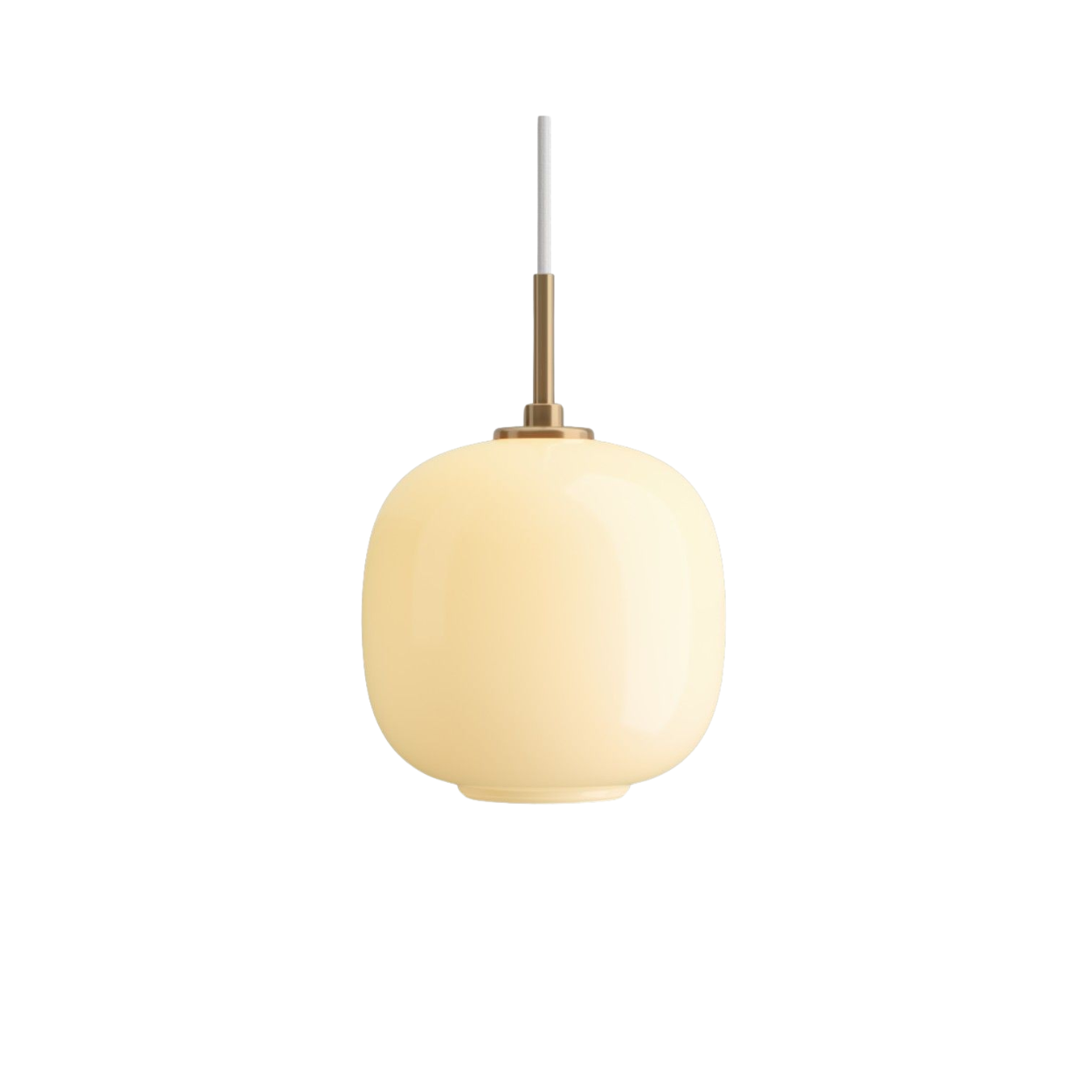
1. Glass shades: Produce soft, warm ambient light suited to dining rooms and living spaces; colored glass shifts the tone toward amber or cool white.
2. Metal shades: Reflect light in a focused downward direction, suited to kitchen islands and workspaces; matte finishes reduce glare.
3. Fabric or woven shades: Filter light into texture and pattern on surrounding walls, suited to bedrooms and relaxed living spaces.
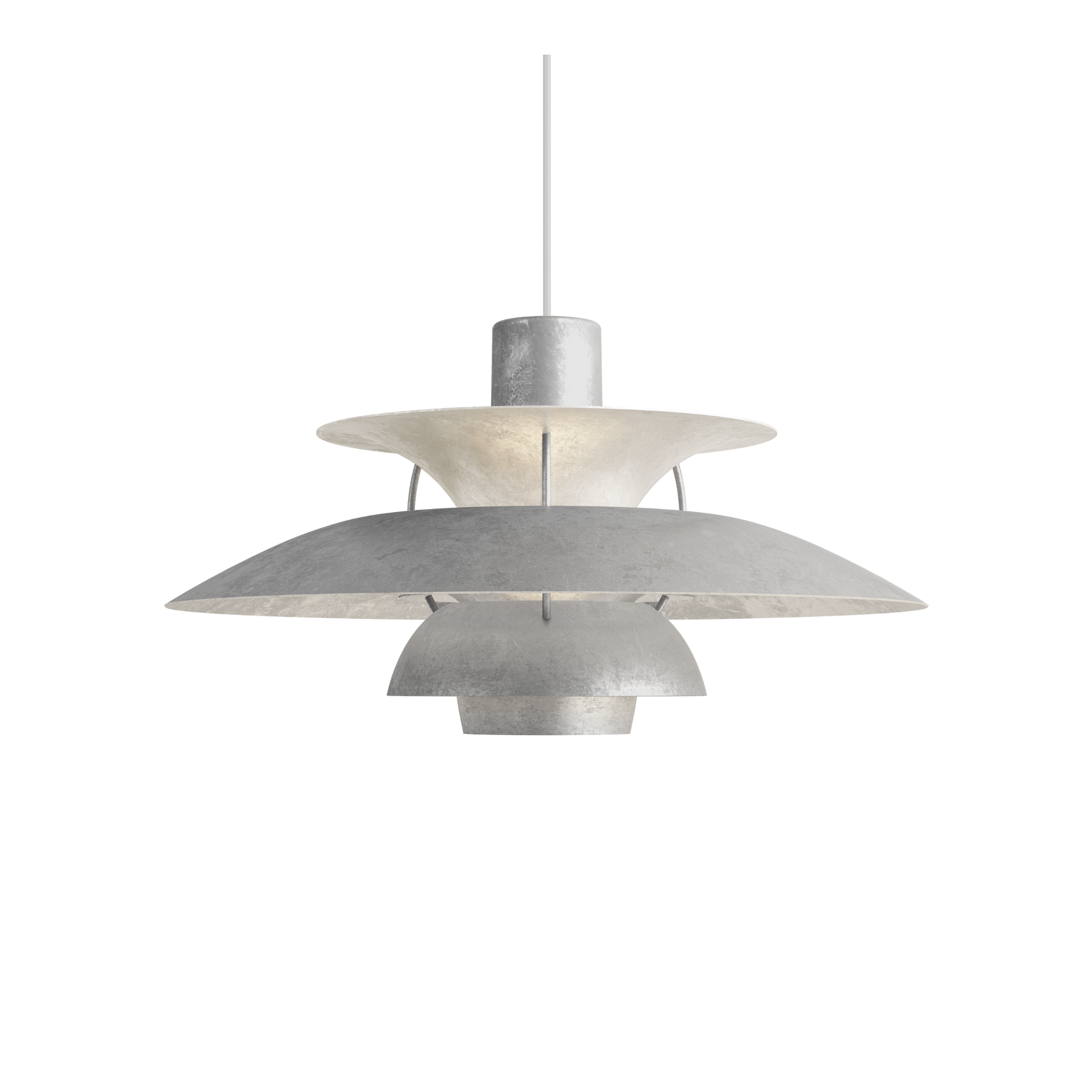
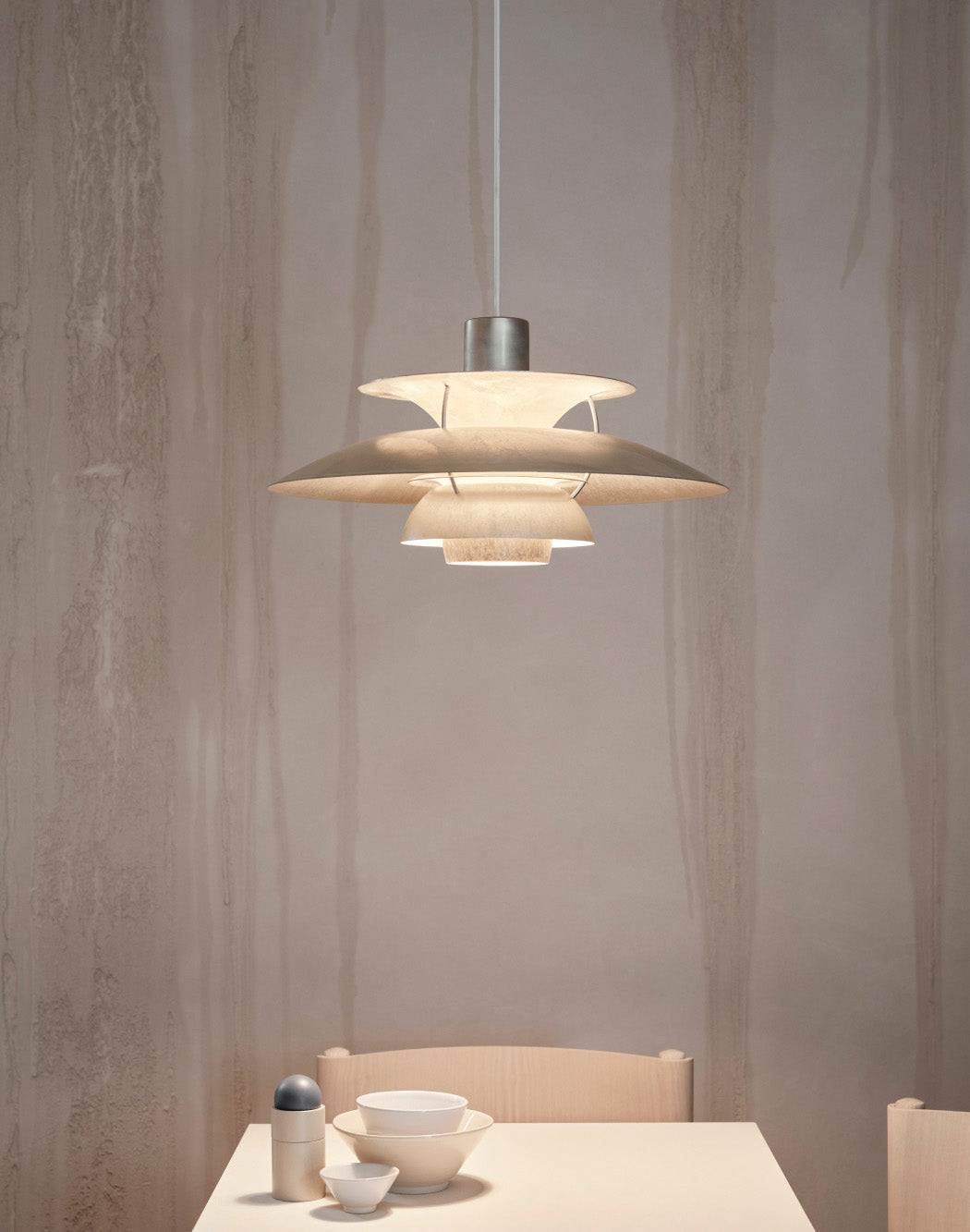
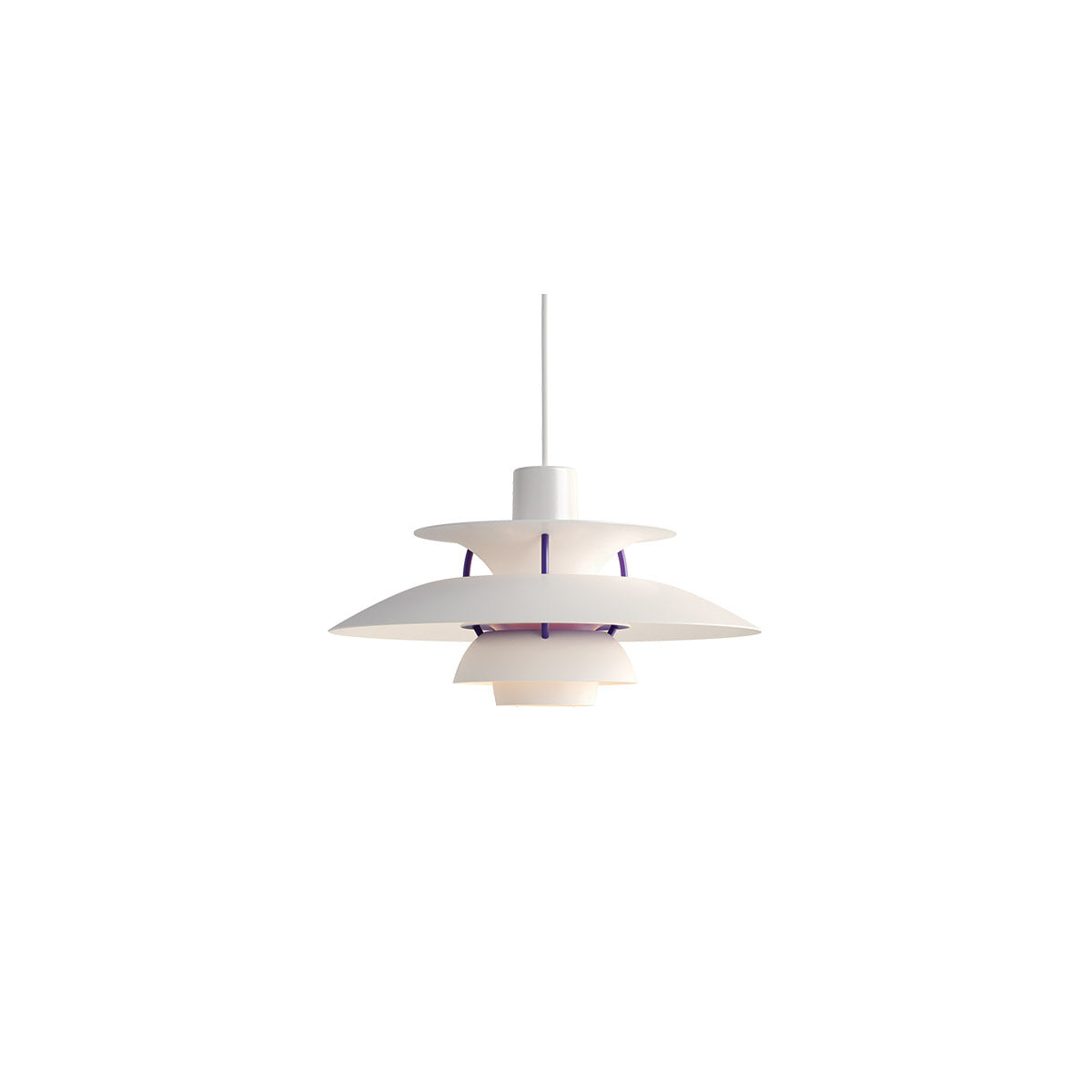
4. Layered designs: The Louis Poulsen PH series combines a metal outer shell with internal diffusing layers to control both direction and softness.
5. Open or bare-bulb designs: Produce a high-contrast, industrial aesthetic with visible shadows, suited to loft-style or cafe-inspired interiors.

Can I install a pendant light myself, or do I need an electrician?

In Malaysia, connecting a pendant light to fixed ceiling wiring should be done by a licensed electrician. This is regulated work and not recommended as a DIY task.

1. Existing ceiling rose: If the pendant attaches to an existing fitting, the swap is straightforward. If in doubt, consult an electrician first.
2. New ceiling point: If no electrical point exists at the intended location, a licensed electrician is needed to run new wiring.
3. Condominiums and apartments: Most building management requires electrical work by a licensed contractor. Check your strata or tenancy rules before proceeding.
4. Cord adjustment: Adjusting the pendant cord at the canopy does not involve fixed wiring and can usually be done without a professional. Confirm with the product manual.

For product-specific guidance, contact Haus® via WhatsApp at +60 12 638 7966 before purchasing.